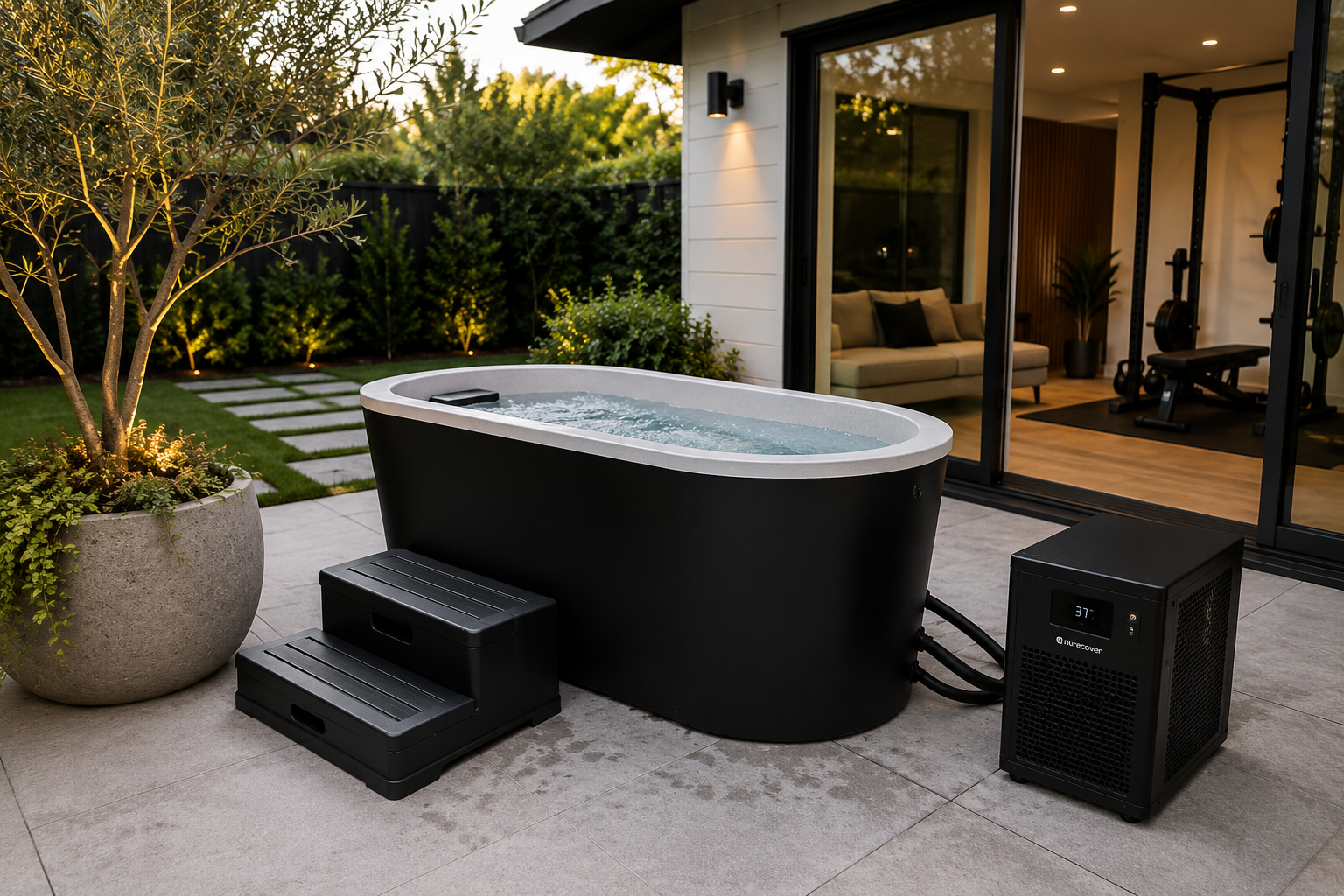
Buying a cold plunge for home starts with more than choosing a tub that looks good. The right setup must suit your space, climate, electrical supply, drainage plan, maintenance routine and budget. A low-priced tub can become expensive if it requires constant ice, while a premium chiller system may be poor value if it is difficult to clean or service.
This 2026 home cold-plunge buying guide explains the ten decisions that matter before you order. Use it to compare portable tubs, chiller systems and permanent installations without overlooking the practical details that determine whether you will actually use the plunge consistently.
Affiliate disclosure: Sorene & Stone may earn a commission if you purchase through links in this guide, at no additional cost to you. Our recommendations remain editorially independent.
Quick comparison: which cold plunge suits your home?
| Type | Best for | Plan for |
|---|---|---|
| Portable ice tub | Lower initial cost, occasional use, renters | Ice expense, insulation, frequent draining |
| Tub with external chiller | Regular use and adjustable temperature | Hoses, ventilation, filtration, noise and power |
| All-in-one plunge | A finished look and simpler installation | Higher price, weight, service access and freight delivery |
| Built-in installation | Dedicated wellness rooms and landscaped outdoor spaces | Contractor work, drainage, waterproofing and long-term servicing |
Short on time? Start with placement, filled weight, drainage and maintenance. Those four details eliminate unsuitable options quickly.
Already considering a tub with a chiller? View the Inergize Elite Tub and confirm current price, delivery and fit. Code SORENE100 saves $100 on an eligible purchase.
1. Decide how often you will use it
An occasional plunge and a daily recovery routine require different equipment. A portable insulated tub can be a sensible entry point when you are testing the habit. Frequent users are more likely to value an integrated or external chiller that holds a set temperature and reduces the need to buy and transport ice.
Be realistic about your routine. The best plunge is not necessarily the coldest or most expensive; it is the one you can access, maintain and use safely without turning every session into a setup project.
2. Choose between ice and a chiller
Ice-based tubs
Ice-based tubs usually cost less initially and do not require a refrigeration unit. They work well for occasional use, but the recurring cost and inconvenience of ice can become significant. Water temperature will also vary with the weather, starting water temperature and amount of ice used.
Chiller systems
A chiller circulates and cools the water, allowing more consistent temperature control. Compare the chiller’s stated operating range, ambient-temperature limits, cooling time, filtration method, pump access and warranty. Check whether the chiller is included with the tub or sold separately.
A powerful chiller is not automatically the best option. Correct sizing, airflow and service access matter just as much as headline horsepower.
3. Measure the complete setup
Measure more than the bathing area. Include the tub, chiller, hoses, steps, cover and the clearance required for ventilation and maintenance. Confirm that doors, gates, side yards, elevators and stairs can accommodate the packaged product on delivery day.
Also check entry height. A deep tub may feel spacious but can be awkward to enter and exit, especially when wet. Stable steps and a secure handhold may be worth including in the total budget.
4. Check the filled weight and supporting surface
Water is heavy, and a filled plunge may weigh far more than its dry specifications suggest. Add the water capacity, the product’s dry weight and the user’s weight when assessing the total load. This matters particularly on decks, balconies and upper floors.
Place the system on a level, durable and water-resistant surface that meets the manufacturer’s requirements. If there is any uncertainty about structural capacity, consult a qualified contractor or structural professional before installation.
5. Plan the electrical connection
Chillers and all-in-one systems require power, but the exact voltage, amperage and circuit requirements vary. Confirm whether the product needs a dedicated circuit, what type of protected outlet is specified and how far the equipment must sit from electrical outlets and appliances.
Never assume an extension cord is acceptable. Some manufacturers specifically require the unit to connect directly to a dedicated outlet, and an incorrect setup may create a safety issue or affect warranty coverage. Have a qualified electrician review the product specification sheet when necessary.
6. Decide where the water will drain
A convenient drain route is essential. Check the drain location on the tub, whether a hose can be attached and where the discharged water may legally and safely go. Indoor installations need especially careful waterproofing and a plan for spills, condensation and emergency draining.
Outdoor users should consider landscaping, neighboring properties, local water restrictions and whether sanitation products affect where the water can be released.
7. Compare filtration and sanitation
Cold water still requires care. Compare the filter type, replacement schedule, sanitation method and the manufacturer’s recommended water-testing routine. Ask whether filters and treatment supplies are readily available and what they cost over a year.
Look for a system that is easy to open, clean and reassemble. Complicated maintenance is more likely to be postponed, which can reduce water quality and equipment life. A secure cover also helps limit debris, sunlight exposure and unnecessary heat gain.
Ownership reality check
Budget for the routine—not only the tub
- Replacement filters and water-care supplies
- Electricity or recurring ice
- Water changes and drainage
- Cover care and outdoor weather protection
- Winterization or hot-weather operating limits
- Repairs, replacement hoses and service calls
A product with clear maintenance instructions and accessible replacement parts may offer better long-term value than a cheaper system with limited support.
8. Consider noise, climate and placement
Chillers, pumps and circulating water create noise. Review published sound information when available and think about bedrooms, neighboring properties and the time of day you expect to run the system. Equipment also needs adequate airflow, so hiding a chiller inside a tight cabinet can conflict with the manufacturer’s clearance requirements.
For outdoor placement, review the permitted ambient-temperature range and winterization instructions. Direct sun can increase cooling demand, while freezing conditions may damage plumbing or equipment if the system is not designed or prepared for them.
9. Calculate the true ownership cost
Build a complete budget that includes:
- Tub and chiller price
- Freight, delivery and installation
- Electrical, drainage or foundation work
- Steps, cover and accessories
- Filters and sanitation supplies
- Electricity, water or ice
- Routine servicing and winterization
Also review the return policy before ordering. Cold plunges can be costly to return, and buyers may be responsible for freight, restocking fees or special packaging.
10. Review warranty and service support
Compare warranty coverage separately for the tub, chiller, pump, electronics and finish. Check what maintenance records are required, which conditions are excluded and whether repairs can be completed locally. Confirm that replacement filters, hoses, pumps and controls are available.
Responsive support matters when a water-circulation or refrigeration component fails. Look beyond the warranty length and consider how the company handles troubleshooting, parts and freight.
Cold-plunge safety deserves its own plan
Cold-water immersion can trigger a rapid rise in breathing, heart rate and blood pressure, and prolonged exposure can lead to loss of coordination or hypothermia. The American Heart Association recommends caution and notes that the evidence for many promoted health benefits remains limited. The CDC’s cold-stress guidance explains that cold-water immersion can cause hypothermia more quickly than cold-air exposure.
Begin conservatively, keep your head above water, use a stable entry and exit, and do not plunge alone. Stop immediately if you feel unwell. Anyone with a medical condition—or uncertainty about whether cold immersion is appropriate—should consult a qualified healthcare professional before beginning. Follow the product manufacturer’s safety instructions at all times.
Questions to ask before you buy
- Will I use ice, a separate chiller or an all-in-one system?
- Does the complete setup fit the space and delivery route?
- Can the floor or foundation support the filled weight?
- What electrical circuit and outlet are required?
- Where will the water drain?
- How often must the filter and water be changed?
- What are the annual supply and energy costs?
- Can the system operate in my local climate?
- What does the warranty exclude?
- Are replacement parts and service readily available?
Our approach at Sorene & Stone
Sorene & Stone evaluates cold plunges by practical fit, cooling performance, water care, construction, noise, warranty, service support and the realities of ownership at home. We would rather recommend a shorter list of suitable products than fill a page with options that have not been properly reviewed.
Continue planning: Explore our cold-plunge guidance or see how to design a home wellness room.
Partner recommendation
A flexible cold-plunge system worth considering
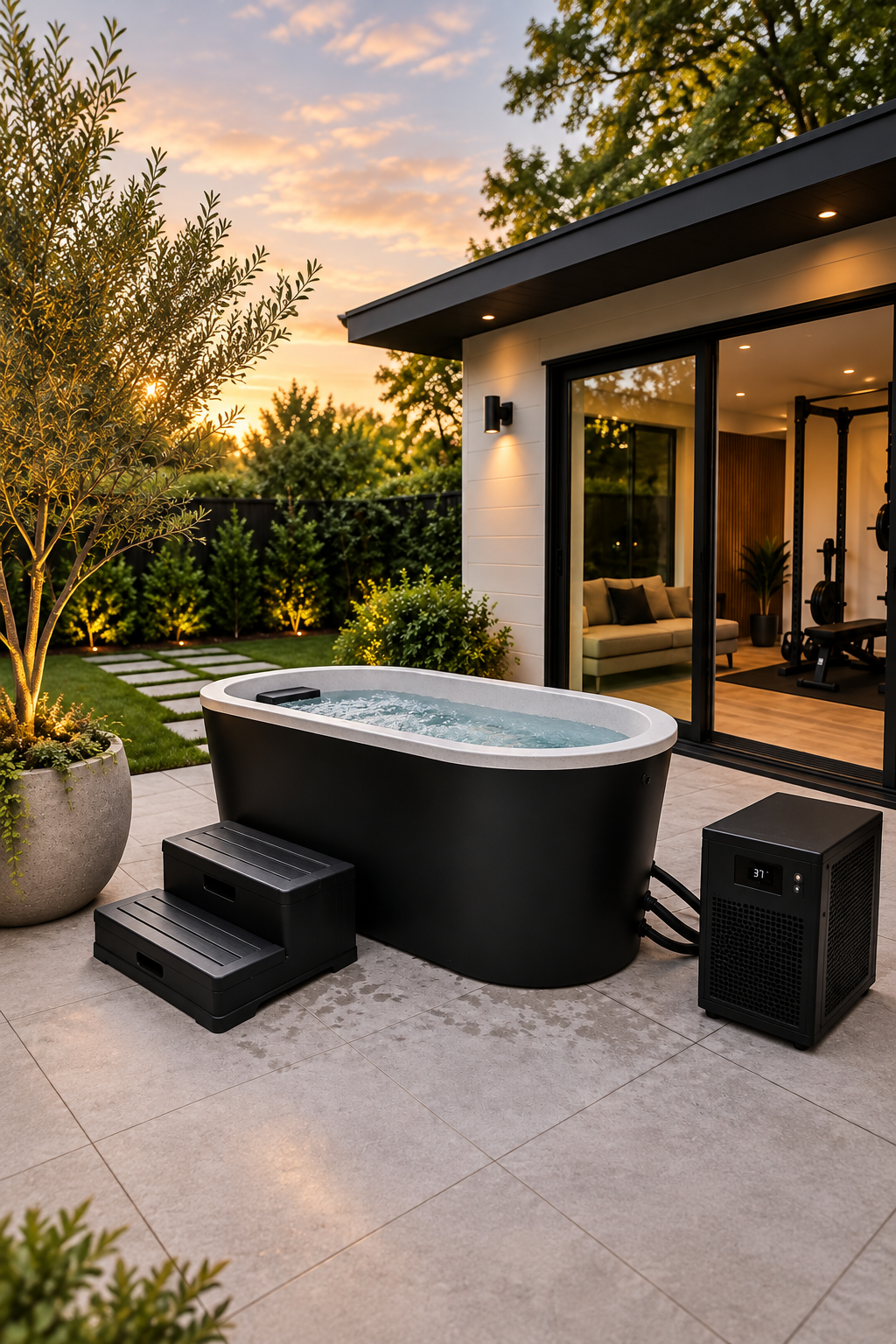
The Inergize Elite Tub pairs a portable insulated plunge with a dedicated chiller, making it a practical option for regular home use without committing to a permanent built-in installation.
Use code SORENE100 to save $100 on an eligible purchase.
Prices, features and availability can change. Confirm current product details and offer eligibility with the retailer before purchasing.
Considering an Inergize system? Read our Inergize Elite Tub review for the flexible option, or our Inergize Spire Elite review for cedar-and-stainless construction, seated ergonomics, delivery, maintenance, warranty and premium value.
Giving a home-wellness gift? Read our holiday gift guide to compare a cold-plunge ritual with a sauna and plan the practical details with the recipient.
Leave a Reply